American Airlines Pulled the Tool Crews Used to Save Connections
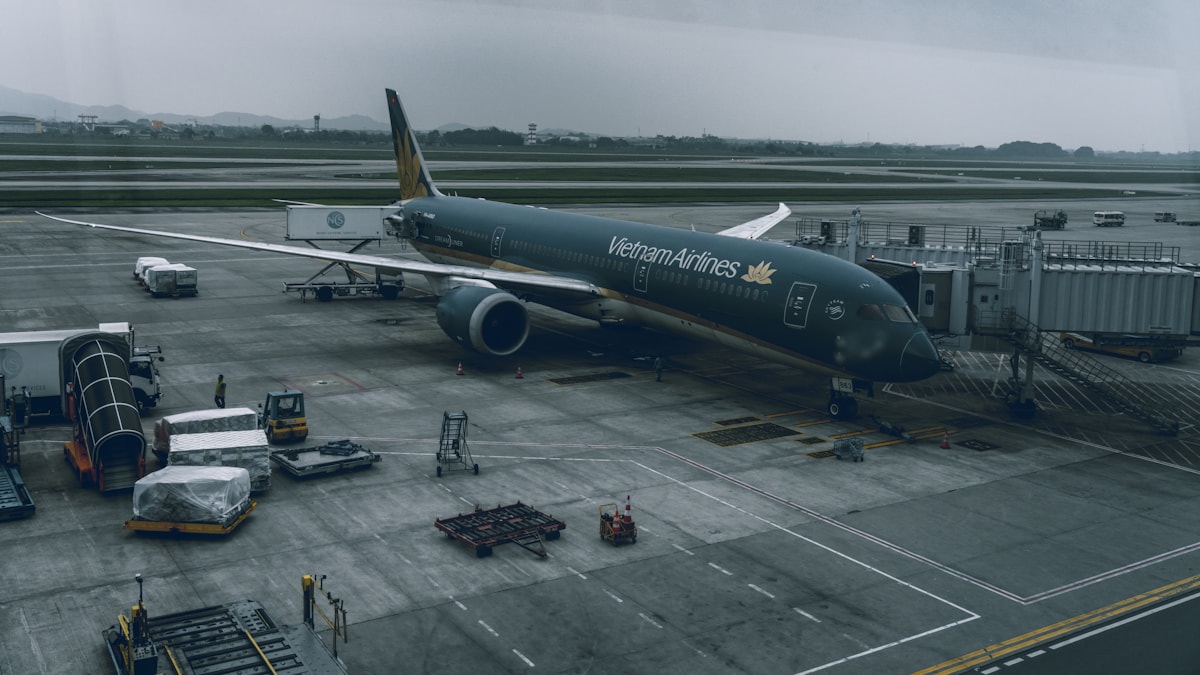
American Airlines just made it harder for crews to help you catch a flight
American Airlines has quietly removed broad employee access to a boarding tool that pilots and flight attendants used to see real-time boarding progress, identify likely misconnects, spot elite passengers, and check gate details — all in one place. The read-only tool wasn’t letting crews make unilateral decisions to hold a plane. It was just giving them information. And American took it away.
In its place, the airline is leaning harder into a centralized AI system it’s been building to automate hold decisions. That’s not inherently wrong — automation done well can be faster and more consistent than hoping the right captain happens to check the right screen. But the way American is doing this reveals something important about the airline’s philosophy: it would rather route everything through a central algorithm than let a pilot glance at a screen and decide to wait 90 seconds for a passenger sprinting down the jetbridge.
What the AI hold system actually does
The automated system American has deployed evaluates whether holding a departing flight for connecting passengers is actually worth it. It weighs factors like the delay exposure to other passengers on the plane, the risk those connecting passengers themselves might miss a subsequent flight even if they make this one, and crew duty time limits. On paper, that’s a smart multi-variable calculation — one a human doing it manually in 30 seconds probably gets wrong sometimes.
The program started at Dallas/Fort Worth (DFW) and Charlotte (CLT), American’s two biggest hubs. It’s now expanding to Chicago O’Hare (ORD), Phoenix Sky Harbor (PHX), Miami (MIA), Philadelphia (PHL), and Los Angeles (LAX) ahead of the 2026 FIFA World Cup, when those airports will see heavy international connection traffic. American’s clearly betting big on this before a moment when misconnects would be maximally painful.
Here’s a concrete way to think about what this system is trying to solve. Say you’re on AA 1145 from LAX to DFW with a connection to Cancún. Your inbound flight lands 18 minutes late. The old world: the Cancún captain might have seen your name on a misconnect report, waited two extra minutes, and you made it. The AI world: the system decides whether holding the Cancún flight is worth it based on how many of the 180 passengers already boarded would be delayed, whether you’d miss an onward connection even if you made it, and whether the crew would bust their duty clock. It might still hold. Or it might not, and you get rebooked before you’ve even deplaned.
The math isn’t always in your favor. If 170 people are sitting on a plane and two passengers are running, an algorithm optimizing for aggregate delay minutes is probably going to let it go.
The tradeoff American is making
American’s long-standing preference for centralized control over hold decisions isn’t new. The airline has historically been more rigid about this than Delta, which has given gate agents and crews more latitude. Removing the visibility tool from pilots and flight attendants is a logical extension of that philosophy — if the AI is making the call, why let crew members see data that might make them want to intervene?
The honest answer is: because humans in the loop sometimes catch things the algorithm misses. A pilot who sees that three passengers connecting from a mechanically delayed inbound have been waiting at the gate and the door is still open might make a judgment call that’s both legally permissible and genuinely better for those customers. That judgment now has to go through a centralized system — if it happens at all.
This matters to you as a traveler because it changes how you should think about tight connections on American. The airline is making a systems-level bet that the AI makes better average decisions, and the metrics suggest it’s at least not hurting things: American scored a 78 on the American Customer Satisfaction Index, a 7% improvement year-over-year, tying for second among major US airlines. AirHelp gives American a 7.64 out of 10 overall, with an 8.0 for customer opinion but only a 7.1 for on-time performance. Skytrax rates it 3 stars. Not bad, not great.
But averages hide individual horror stories. An AI that correctly holds flights 70% of the time is still missing 30% of situations where a two-minute wait would have saved a passenger’s day.
What this means for your booking strategy
If you’re flying American through a hub, especially one of the newly added hold-program airports (ORD, PHX, MIA, PHL, LAX) alongside the existing DFW and CLT, a few things are worth keeping in mind.
First, minimum connection times at American’s hubs are published but often tighter than they should be, particularly for international-to-domestic or domestic-to-international sequences. American allows connections as short as 45 minutes at DFW in some itineraries. With the AI system now handling hold decisions, you’re one algorithm call away from a missed flight if anything goes even slightly sideways on your inbound. I’d be skeptical of anything under 60 minutes at a major hub, and 75–90 minutes is genuinely more comfortable if the itinerary lets you book it without an absurd price premium.
Second, your AAdvantage elite status still matters in ways the AI system won’t fully replicate. Elite passengers were visible in the old crew tool — a pilot might recognize an Executive Platinum on the misconnect list. The AI presumably factors in something about misconnect severity and rebooking options, but it’s not clear it weights loyalty tier as a human discretionally would. If you’re a high-status flyer, don’t assume that buys you the same informal consideration it once might have.
Third, trip delay and missed connection coverage on your credit card suddenly becomes more valuable. If you’re booking American itineraries with tight connections — especially during FIFA World Cup travel this summer, when loads will be heavy and irregular operations more common — make sure you’re using a card with solid travel protection. Cards like the Chase Sapphire Reserve or Sapphire Preferred cover trip delays and missed connections; the Citi AAdvantage Executive card adds its own protections. Check the terms carefully, because coverage triggers and reimbursement caps vary significantly. (Verify current terms with the issuer; these benefits do change.)
A simple example: you book a $900 round-trip to Mexico City through DFW. Your inbound is 25 minutes late, the AI doesn’t hold your connection, and you’re rebooked onto a flight 6 hours later. You’re out $60 in airport food and a $40 rideshare when you land late. If your card covers trip delays after a 3-hour threshold, that $100 in incidentals gets reimbursed. If your card only covers after 6 hours, you’re eating it. That gap matters, and it’s exactly the kind of fine print worth understanding before you’re sitting at a gate.
Frequently asked questions
Does American’s AI system guarantee my flight will be held if I’m connecting?
No. The system evaluates whether a hold is beneficial on a case-by-case basis, weighing factors like how many other passengers would be delayed, your downstream connection risk, and crew duty limits. It may hold the flight — or it may not and rebook you proactively. There’s no guarantee, and removing crew access to the visibility tool means there are fewer human override points.
Is American’s on-time performance actually improving?
Somewhat. AirHelp gives American a 7.1 out of 10 for on-time performance as of June 2026, and the ACSI score rose 7% year-over-year to 78. Those are real improvements, but a 7.1 on punctuality still leaves meaningful room for missed connections, particularly on tighter itineraries.
Which American hubs are part of the AI flight hold program now?
The program started at DFW and CLT and is expanding to ORD, PHX, MIA, PHL, and LAX ahead of the 2026 FIFA World Cup. That covers essentially all of American’s major hubs.
Should I book tighter connections on American now that the AI system is expanding?
I’d be cautious. The AI may make better average decisions than ad-hoc human ones, but you’re no longer in a world where a sympathetic captain with good visibility information might wait 90 seconds. For trips where a missed connection would be genuinely costly — international travel, nonrefundable hotels, cruise departures — pad your connection time and make sure your credit card travel protections are solid.
Bottom line
American is making a conscious trade: less human discretion, more algorithmic consistency. That’s a reasonable bet for an airline trying to improve at scale, and the early customer satisfaction data suggests it’s not backfiring. But removing the crew visibility tool is a real step toward a world where the only thing standing between you and a missed connection is a model you can’t talk to. Book smarter — use longer layovers where the price difference is small, fly with strong credit card trip protections, and don’t assume your elite status will trigger an informal hold the way it might once have.
Keep reading
- American Airlines
American Broken Seat Swap Story: What AA Actually Owes You
A passenger says he was tricked into taking a broken AA business seat. I'm skeptical — but here's what to do if it happens to you.
- American Airlines
American Airlines Expands Cash Instant Upgrades to International Routes
AA's cash upgrade program hits more international destinations, plus a 777 flies 25 feet off the ground and Alaska finishes Starlink on all regional jets.
- American Airlines
American Airlines AAdvantage for Beginners: How to Earn and Use Miles
How AAdvantage miles work in 2026 — earning rates, dynamic award pricing, oneworld partners, and why these miles are harder to earn than most.
Join the discussion
Share your take, ask a question, or swap tips with other readers. Be kind — we moderate.