Delta Basic Business, Bilt's Loophole Closure, and Stripe Eyes PayPal

Delta Just Brought Basic Economy to Business Class — And It’s Complicated
Delta’s move to create Basic fares for its premium cabins is either a brilliant democratization of business class or a quiet stripping of perks, depending on where you sit. My honest read: it’s mostly the latter, dressed up as consumer choice.
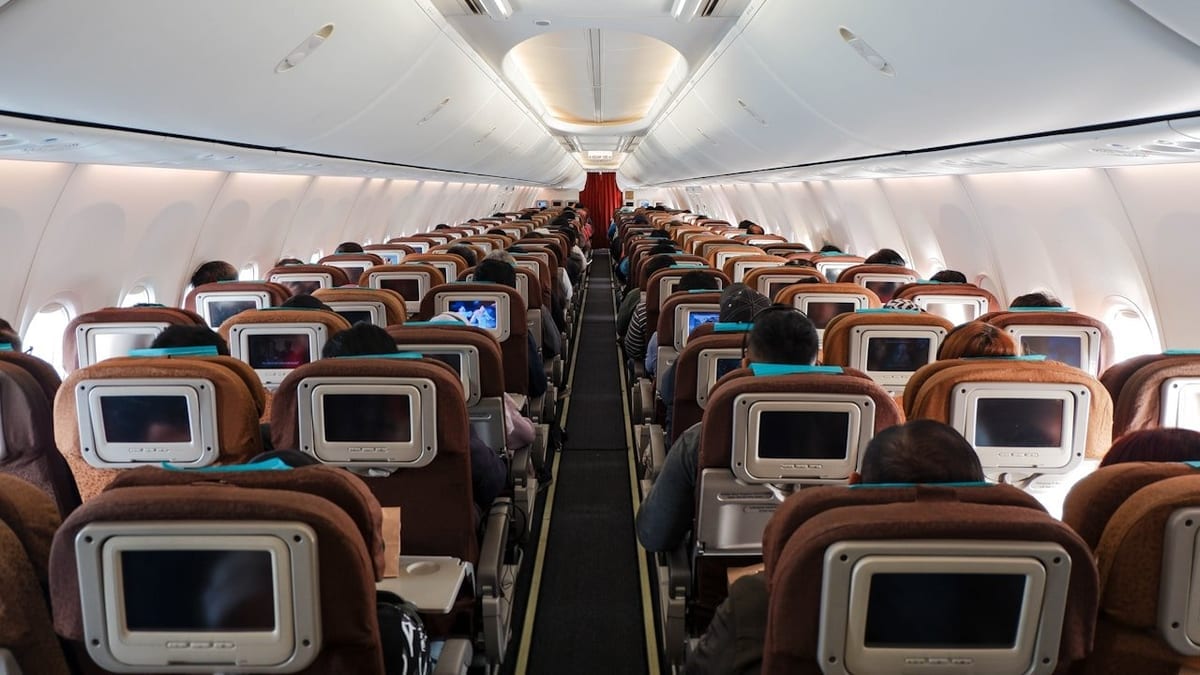
Starting July 8, 2026, Delta began selling Delta First Basic on select domestic and Latin American routes. Delta Premium Select Basic and Basic Business — the rebrand of stripped-down Delta One — are also available for purchase as of the same date, with flights commencing in September across select domestic and long-haul international routes. The pitch is simple: you get the same lie-flat seat, the same premium meals, the same amenity kit as a paying Delta One passenger. The price is lower. What’s the catch? Quite a few.
What You Actually Give Up
Basic Business comes with no advance seat selection, reduced SkyMiles earning, a checked baggage allowance cut from two bags to one, and more restrictive change and cancellation terms. That’s already a meaningful list. But the really sharp edge is on the lounge side.
Until January 18, 2027, Basic Business passengers can still access Delta One check-in and Delta Sky Club or Delta One Lounge access. After that date? Gone. If you’re booking a Basic Business ticket for travel after January 18, 2027, you’re showing up at the main terminal check-in line, getting your lie-flat bed, and that’s it.
For leisure travelers who genuinely don’t care about lounges or status credits and just want a flat bed at a lower price, this might be a reasonable trade. For road warriors who rely on lounge access as part of their travel stack, it’s a hard no — even if the fare looks attractive.
The Math You Should Actually Run
Delta hasn’t published exact earning multipliers for Basic premium fares yet, so I won’t invent numbers. But the framework is straightforward. On any given itinerary, figure out the price gap between a Classic or Extra Delta One fare and the Basic Business equivalent. Then subtract the value of what you’re giving up: reduced SkyMiles (Delta hasn’t confirmed the multiplier, so check delta.com before you book), the second checked bag if you need it, and — critically for travel after January 18, 2027 — lounge access. If the fare gap is big enough to cover those losses and still leave cash in your pocket, Basic Business makes sense. If the spread is narrow, you’re giving up real benefits for almost nothing.
The lounge question is the one that trips people up most. A Delta Sky Club visit has genuine value if you’re spending hours in an airport; if you’re connecting in 45 minutes, it’s irrelevant. Be honest with yourself about how you actually travel before clicking buy.
Bilt Just Killed the $1 Rent Trick — Here’s What Changed
Bilt Rewards has quietly closed one of the more absurd loopholes in points earning. Previously, members paying rent via ACH, debit, peer-to-peer, or flexible-payment methods — not using the Bilt Mastercard directly — could earn a flat 250 points regardless of payment size. The practical result: pay $1 in rent, earn 250 points. Effective rate of 250x. Predictably, some people exploited this.
The new rule: non-Bilt Card rent payments earn 1 point per dollar, capped at 250 points per monthly payment. Pay $1, earn 1 point. The loophole is dead.
For normal members paying real rent via non-Bilt methods, the impact is minimal. If your rent is $250 or more — which describes the overwhelming majority of US renters — you were already hitting the 250-point cap under the old structure anyway. The people who got hurt are those gaming the system with micro-payments. The program’s unit economics on a $1 transaction earning 250 points were never going to survive long-term. This was a predictable tightening, not a betrayal.
If you’re serious about maximizing Bilt points on rent, the non-card path was always a consolation option. Paying via the Bilt Mastercard is the more direct route to meaningful earning — and now the gap between the two approaches is even clearer.
Stripe and Advent Want to Buy PayPal for $53 Billion
This one’s a bit outside the usual rewards lane, but it matters if you care about how payments infrastructure shapes the industry that issues your cards.
Stripe and private equity firm Advent International have jointly offered to acquire PayPal Holdings at $60.50 per share — a roughly 28% premium to PayPal’s closing share price on July 14, 2026. The deal, submitted earlier in July 2026, is backed by approximately $50 billion in committed bank financing and values PayPal at over $53 billion.
Stripe is primarily a merchant-facing processor. PayPal is one of the most recognized consumer-facing digital wallets and checkout buttons on the internet. Together, they’d create a payments company spanning both merchant processing and consumer wallet functionality — a meaningfully different competitor than either is today.
For rewards hobbyists specifically: PayPal’s ecosystem touches a surprising amount of card-linked offers and cash-back programs. If this deal closes, expect some consolidation of those integrations over time. It’s too early to know what that looks like in practice, but if you’ve got PayPal-linked card offers or use PayPal’s own cash-back features, keep an eye on whether those programs get maintained, expanded, or quietly wound down post-acquisition. Nothing changes immediately — regulatory scrutiny on a transaction this size will be significant and drawn out.
Alaska’s Atmos 25K Companion Award Deserves Attention
The Alaska Airlines Atmos Rewards 25K Global Companion Award is a benefit tied to the Atmos Rewards Summit Visa Infinite card that a lot of cardholders underuse.
The short version: the award saves you up to 25,000 Atmos Rewards points on a companion ticket when you book two passengers on AlaskaAir.com. It’s valid for award bookings on Alaska Airlines, Hawaiian Airlines, and oneworld global partners — which opens up a genuinely wide redemption map. The certificate is valid for 12 months from issue, and any unused value is forfeited. Set a calendar reminder and use it intentionally.
This is a completely separate benefit from Alaska’s standard $99 Companion Fare — they’re different programs, not interchangeable. On a longer international award redemption, 25,000 points can represent real value. If you hold the card, make sure you know when your certificate was issued so you’re not leaving it on the table.
Frequently Asked Questions
Does Basic Business still get Delta One lounge access?
For now, yes — but only through travel dates up to January 18, 2027. Tickets for travel after that date will not include Delta One check-in, Delta Sky Club, or Delta One Lounge access. If lounge access is part of your travel calculus, factor that cutoff into any Basic Business booking you’re considering.
How does the Bilt rent earning change affect most members?
For anyone paying rent via non-Bilt Card methods (ACH, debit, peer-to-peer), the cap is now 250 points per month at 1 point per dollar. If your rent is $250 or more, you hit the 250-point cap under either structure — the change only meaningfully affects people who were gaming micro-payments. For everyone else, the practical impact is zero.
What’s the Stripe-PayPal deal actually worth per share?
The joint offer from Stripe and Advent International values PayPal at $60.50 per share, representing roughly a 28% premium over PayPal’s closing price on July 14, 2026, and an overall valuation of more than $53 billion. The deal hasn’t closed, and regulatory scrutiny on a transaction this size will be significant.
Is the Alaska Atmos 25K Companion Award the same as the $99 Companion Fare?
No — they’re completely separate benefits. The 25K Global Companion Award is a points-based benefit tied specifically to the Atmos Rewards Summit Visa Infinite card, and it applies to award bookings across Alaska, Hawaiian, and oneworld partners, saving up to 25,000 Atmos Rewards points on a companion ticket. Check the terms at booking and don’t let the certificate expire unused — it’s a 12-month window with no rollover on forfeited value.
Bottom Line
Delta’s Basic premium fares represent a genuine structural change in how the airline prices its front cabin. They’re worth considering for leisure travelers who can live without lounge access and checked bag flexibility — but for anyone booking travel after January 2027, the lounge loss alone makes Basic Business a hard sell at anything less than a substantial fare discount. Run the specific numbers on your itinerary before you commit.
Bilt’s loophole closure is a non-event for real users and a setback only for arbitrage players. The program stays compelling for renters using it as intended. And the Stripe-PayPal story is one to track over the coming months — not because anything changes for you today, but because a combined entity at that scale could reshape how card rewards and digital payments interact over time.
Keep reading
- Delta Air Lines
Delta's Austin-to-Paris Flight Is the Tip of a $250M Iceberg
Delta is betting big on Austin with a Paris route, 15 new gates, 40,000 sq ft of lounges, and $250M in terminal investment. Here's what it means for you.
- Delta Air Lines
Delta Cars & Stays Promos: When 5X Miles and MQDs Pay Off
Delta is pushing Cars & Stays with 5X miles, MQD earning, and SkyMiles discounts. Here’s when to book—and when to skip the portal.
- Delta Air Lines
Delta SkyMiles for Beginners: How to Earn and Use Them in 2026
A plain-English guide to Delta SkyMiles — how you earn them, what they're worth, and the smartest ways to redeem without an award chart.

Join the discussion
Share your take, ask a question, or swap tips with other readers. Be kind — we moderate.