How to Get Your First US Credit Card Without an SSN
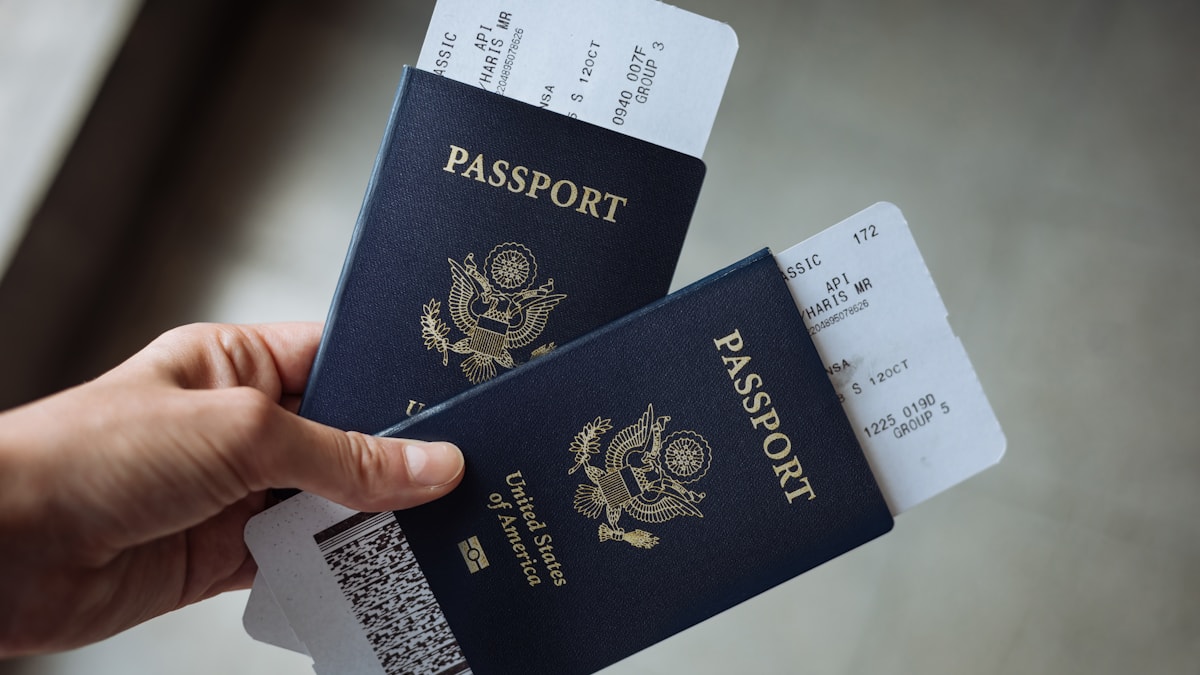
The SSN requirement is real — but it’s not absolute
A lot of newcomers to the US run into the same wall at the bank: no Social Security Number, no credit card. It’s frustrating when you’ve just signed a lease, need to build credit for a future car loan or apartment, and you’re staring at a completely blank credit file. The good news is that the wall has gaps — you just need to know where to look.
The main path is getting an ITIN (Individual Taxpayer Identification Number) and using it to apply for cards that explicitly accept it. If you’re an F-1 student without work authorization who can’t yet get an SSN or ITIN, the options are narrower, but they exist. Neither situation is hopeless once you understand the mechanics.
What an ITIN is and why it matters
An ITIN is a tax-processing number issued by the IRS to people who aren’t eligible for an SSN but have US tax obligations — think H-1B or L-1 workers before their SSN arrives, or F-1 students without work authorization who have a filing reason. You apply through the IRS with proof of identity and foreign status.
Several major issuers — including Capital One and Discover — will accept an ITIN in place of an SSN on a credit card application. That’s a meaningful distinction. It means you don’t have to wait until you’ve established employment and received an SSN to start building a credit file.
For F-1 students specifically: you’re generally eligible for an SSN only if you have employment authorization — on-campus jobs, CPT, or OPT. If you don’t have any of those yet, the ITIN route is your realistic path, assuming you have a US tax reason to apply for one.
The three ITIN-friendly secured cards worth considering
Capital One Platinum Secured
This is often the right first card for someone who just wants to establish credit without worrying about rewards optimization. No annual fee, and — crucially — your required security deposit might be less than $200. Capital One assesses your creditworthiness and may approve you for a $200 credit line with a deposit of just $49 or $99, depending on their evaluation. That lower deposit tier is uncommon among secured cards and can matter if you’re on a tight budget right after relocating.
Capital One starts automatically reviewing accounts for graduation to an unsecured card after six months of responsible use. Graduation means your deposit comes back and your account history stays intact. That’s the goal.
Capital One Quicksilver Secured
Same ITIN acceptance, same no-annual-fee structure — but this one earns 1.5% cash back on all purchases, plus 5% on hotels, vacation rentals, and rental cars booked through Capital One Travel. There’s also no foreign transaction fee, which matters if you’re traveling internationally or have spending in other currencies.
The catch: the minimum deposit is $200 regardless of your credit profile, unlike the Platinum Secured where you might qualify with $49. If earning rewards during the credit-building phase matters to you, the Quicksilver Secured is worth the extra upfront commitment.
Discover it® Secured
This one has a more interesting rewards structure. You earn 2% cash back at gas stations and restaurants (on up to $1,000 in combined purchases per quarter), and 1% everywhere else. The minimum deposit is $200.
The feature that makes it genuinely compelling for newcomers: Discover matches all the cash back you earn in your first 12 months — no cap on the match. That effectively doubles your rewards rate for the entire first year, which is meaningful when every dollar matters during an international move.
Discover starts reviewing accounts for graduation to an unsecured card after seven months of responsible use, slightly longer than Capital One’s six. Not a dealbreaker, just a real difference between the two issuers.
The worked example: what’s your first year actually worth?
Let’s say you’re an H-1B worker who just arrived, and you put $500/month on your new Discover it® Secured — $250/month at restaurants and $250/month on other purchases.
- Restaurant spending: $250/month × 12 = $3,000/year. At $250/month in restaurants, that’s $750/quarter, within the $1,000 combined cap. So: $3,000 × 2% = $60 cash back.
- Other purchases: $3,000 × 1% = $30 cash back.
- Total earned before match: $90.
- Discover Cashback Match: +$90.
- Grand total: $180 cash back in year one on $6,000 of spending.
Breaking that down: restaurants return $120 on $3,000 of spending (4% effective rate after the match), and other purchases return $60 on $3,000 (2% effective rate). Blended across the full $6,000, that’s a 3% overall effective rate — for a secured card with a $200 deposit. That’s a strong rewards proposition for a card designed for people with no credit history.
What about F-1 students without an SSN or ITIN?
This is the trickiest scenario. The Deserve® EDU Mastercard for Students — which previously allowed applications with just a passport and US bank account, no SSN or ITIN required — has been discontinued and is no longer accepting new applicants.
That does leave a real gap for F-1 students who haven’t started working and don’t yet have a tax reason to apply for an ITIN. Your most practical near-term options: pursue on-campus employment or another form of work authorization to become SSN-eligible, or establish a US tax filing reason that makes you eligible for an ITIN, then apply for one of the ITIN-friendly secured cards above. Some international students also start with a secured card at their own bank if they’ve opened a student checking account — worth asking directly at your campus credit union or bank branch, since policies vary.
Every US credit card application requires a physical US mailing address. Your campus address or off-campus apartment works fine.
Which card should you actually apply for first?
Honestly, this depends less on the rewards and more on your situation.
You have an ITIN and are watching cash flow closely: Capital One Platinum Secured. The potential for a $49 or $99 deposit to secure a $200 line is unusually newcomer-friendly, and Capital One’s graduation process kicks in quickly.
You have an ITIN and want to earn something while you build: Discover it® Secured if you eat out regularly — the first-year match makes the math genuinely attractive. Quicksilver Secured if you want simplicity plus no foreign transaction fees.
You’re an F-1 student with no SSN, no ITIN, and no work authorization: Focus on qualifying for one of those first, since the primary no-SSN/no-ITIN option is no longer available. Ask your campus international student office — they often know which local banks and credit unions are most accommodating for students in this situation.
One common mistake to avoid: applying for multiple cards at once when you’re just starting out. Apply for one card, use it responsibly, then reassess. The credit profile you’re building now is the foundation for the premium rewards cards you might want later.
Frequently asked questions
Will a secured card actually help my credit score?
Yes, if you use it correctly. Secured cards from Capital One and Discover report payment activity to the major credit bureaus, just like regular credit cards. The factors that matter most: paying your statement balance in full every month, keeping your utilization low, and not closing the account prematurely. Consistent responsible use builds a credit history that opens doors to better products over time.
What happens to my security deposit when I graduate to an unsecured card?
You get it back. The account history typically carries over to the new unsecured card as well, which matters because account age factors into your credit score. The automatic graduation process these issuers use preserves that history — much better than closing the secured card and opening a brand-new account.
Can I apply if I don’t have a US bank account yet?
You need a way to pay your bill, so a US bank account is practically necessary even if it’s not always explicitly listed as a requirement. Opening a checking account at a major bank or credit union — many of which accept foreign passports for identification — should be your first step before applying for any credit card.
The lack of an SSN or US credit history is a specific set of constraints with specific solutions. Get your ITIN if you’re eligible; apply for the Capital One Platinum Secured, Quicksilver Secured, or Discover it® Secured based on which fits your budget and spending patterns. Use whichever card you get for small, everyday purchases, pay it off completely every month, and give it time. That’s genuinely all it takes to go from zero credit history to a real credit profile — and the better cards follow from there.
Keep reading
- Cards for Credit
Best First Credit Cards for Newcomers: Secured vs. Student vs. Global Transfer
H-1B workers, F-1 students, and new immigrants: here's exactly which first card to get, in what order, and why — with real numbers.
- Cards for Credit
Your first US credit card with no credit history: every path that works
Secured cards, international history transfers, student cards, and bank relationships — ranked for newcomers without a US credit file.
- Cash Back Cards
Best Cash Back Secured Cards for New US Credit Beginners
New to US credit? Compare secured cash back cards, no-SSN options, deposits, rewards caps, and the smartest first-card sequence.


Join the discussion
Share your take, ask a question, or swap tips with other readers. Be kind — we moderate.