SunExpress Passenger Slaps Flight Attendant, Cites Sharia Law
What actually happened on that SunExpress flight
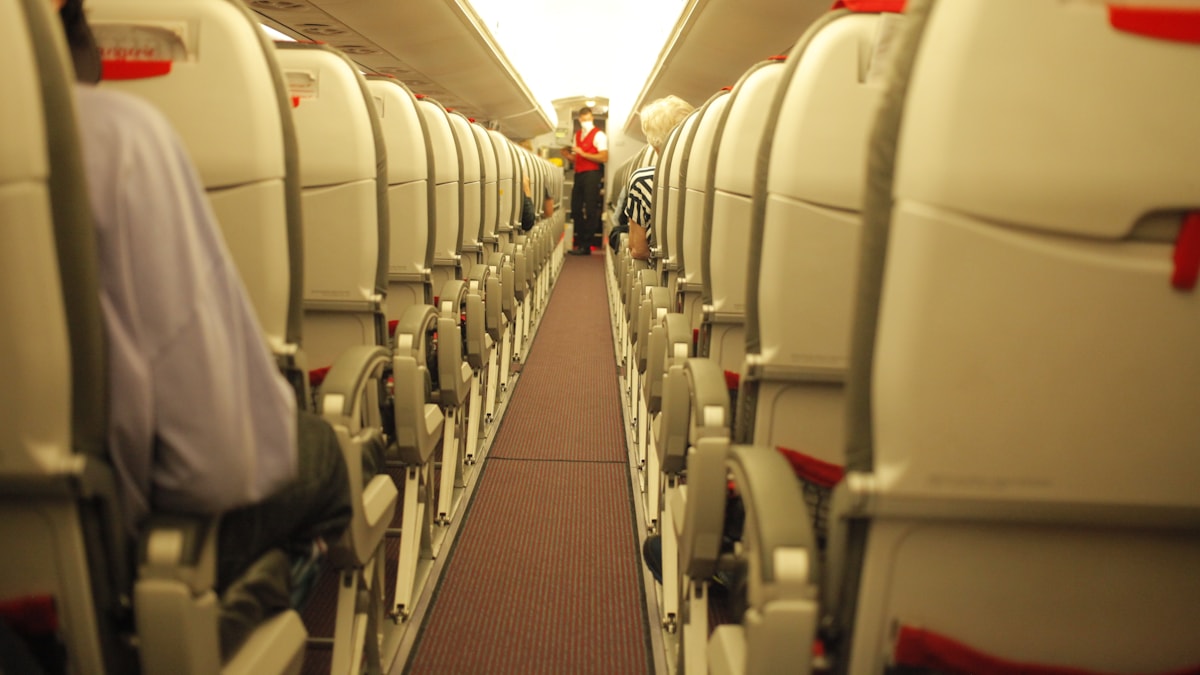
On June 1, 2026, a 29-year-old German national of Turkish descent boarded a SunExpress flight from Samsun, Turkey, to Düsseldorf, Germany — and decided that sitting next to a female passenger was something he simply wouldn’t do. His stated reason: Sharia law. When a female flight attendant stepped in to address the situation, he slapped her in the face.
German Federal Police met the aircraft on arrival in Düsseldorf, apprehended him, and he reportedly confessed to the assault. That’s not all he did: at some point during the encounter with police, he insulted officers in Turkish — apparently not realizing one of them understood every word. That earned him a second criminal complaint on top of the assault charge.
The media got key facts wrong at first
Early reports were a mess. Turkish Airlines issued a public denial clarifying the flight had nothing to do with them — it was SunExpress, a separate carrier. Some outlets also got the nature of the physical contact wrong, and wrongly characterized the passenger’s nationality. Turkish Airlines was right to push back publicly.
None of those details are trivial. Misidentifying the airline creates reputational damage for the wrong company. Getting a German citizen’s nationality wrong changes the framing of the story entirely. Journalism that moves fast and corrects slowly is a persistent problem in aviation news, because the corrections rarely travel as far as the original headline.
Airline rules don’t have religious exceptions
Invoking religious law to justify refusing a seat assignment doesn’t work. Not on any major carrier. The contract every passenger agrees to when buying a ticket requires compliance with crew instructions — there’s no carve-out for personal religious interpretations that conflict with those instructions.
Crew members aren’t there to adjudicate theological disputes mid-flight. They’re there to operate a safe flight, and a passenger who refuses to sit and then escalates to physical assault is exactly why that authority exists and must be enforced without exception.
It’s also worth separating personal religious practice from imposing that practice on others through force. Plenty of passengers request seat changes for all kinds of reasons — comfort, wanting to sit with family, anxiety — and crews often accommodate reasonable requests when operationally possible. The moment you slap someone, that conversation is over and a criminal one begins.
The legal exposure here is real
German criminal law takes in-flight assault seriously. The passenger reportedly confessed, which makes the prosecution’s job considerably easier. On top of the assault charge, he picked up a criminal complaint for insulting police officers — in Germany, insulting someone can constitute a criminal offense, not merely a civil one. Two separate proceedings, one very bad day.
The confession on record is significant. In cases like this, where there are witnesses, crew reports, and an admission, the legal path tends to move quickly.
German Federal Police are stationed at major hubs specifically to handle situations like this the moment an aircraft parks at the gate. The passenger in this incident was apprehended exactly that way — law enforcement at the gate, no opportunity to slip away in the terminal.
What this means if you’re a traveler
Most travelers will never experience anything close to this. But a few things this incident illustrates are genuinely useful.
If you’re on a flight where another passenger becomes disruptive, alert a crew member and let them handle it. Don’t engage directly. Flight attendants are trained for de-escalation in ways that a fellow passenger simply isn’t equipped to replicate safely from the middle seat.
If you need a seat change for any reason — religious, medical, comfort — raise it before the flight or at check-in, not after you’ve already been seated and the crew is trying to complete boarding. That’s the moment when reasonable accommodation is actually possible. Once you’re blocking the aisle and the boarding door is about to close, you’ve run out of good options.
And if you’re the disruptive passenger? You’re not just facing potential criminal charges. Airlines have pursued civil claims against passengers who cause serious disruptions, and those costs — fuel, crew, operational impact — can be substantial. The criminal and civil tracks are separate, and carriers have grown more aggressive about pursuing both.
On the airline and the incident itself
SunExpress doesn’t get much attention in English-language travel coverage — it’s a regional leisure carrier, not a product anyone’s writing premium redemption guides for. Turkish Airlines was correct to publicly distance itself; they are distinct operations.
The airline itself has not, based on available information, announced any policy changes in response to this incident. Standard industry practice is to support criminal prosecution and potentially restrict the passenger from future travel on the carrier.
Frequently asked questions
Can a passenger be arrested upon landing for something that happened in the air?
Yes. Once an international flight lands, the destination country’s law enforcement has jurisdiction. German Federal Police routinely meet aircraft when a crew has radioed ahead about a disruptive passenger. That’s exactly what happened here.
Does invoking religious law give a passenger any legal protection from airline rules?
No. Crew instructions are binding on all passengers regardless of personal beliefs. Refusing those instructions — and certainly assaulting crew — has no religious defense recognized in aviation law.
What’s the difference between SunExpress and Turkish Airlines?
They’re separate airlines. A flight on SunExpress is not a Turkish Airlines flight. Turkish Airlines was right to publicly clarify they had no involvement in this incident.
What happened after the passenger landed?
German Federal Police apprehended him at the gate. He reportedly confessed to the assault and picked up an additional criminal complaint for insulting officers in Turkish, not realizing one of the officers understood the language.
Keep reading
- Book Award Flights
Sky Chefs May Owe LAX Workers Back Pay for a Benefit Change the Union Claimed Was Unilateral
LSG Sky Chefs faces a back-pay bill at LAX after a health benefit change ran into Railway Labor Act rules — and the Ninth Circuit just ruled a federal judge was wron
- Book Award Flights
Jetstar Will Charge for Overhead Bin Space
Jetstar is making overhead bin access a paid add-on. Annoying? Yes. But it may be a more honest fix for boarding chaos than bag policing.
- Book Award Flights
Lufthansa’s Paid Business Class Seats Spread to the A380
Reports say Lufthansa is charging for desirable A380 business class seats. Here’s what’s confirmed, what isn’t, and how I’d handle it.
Join the discussion
Share your take, ask a question, or swap tips with other readers. Be kind — we moderate.