The Seat Belt Sign Is Turning Into a Service Shield
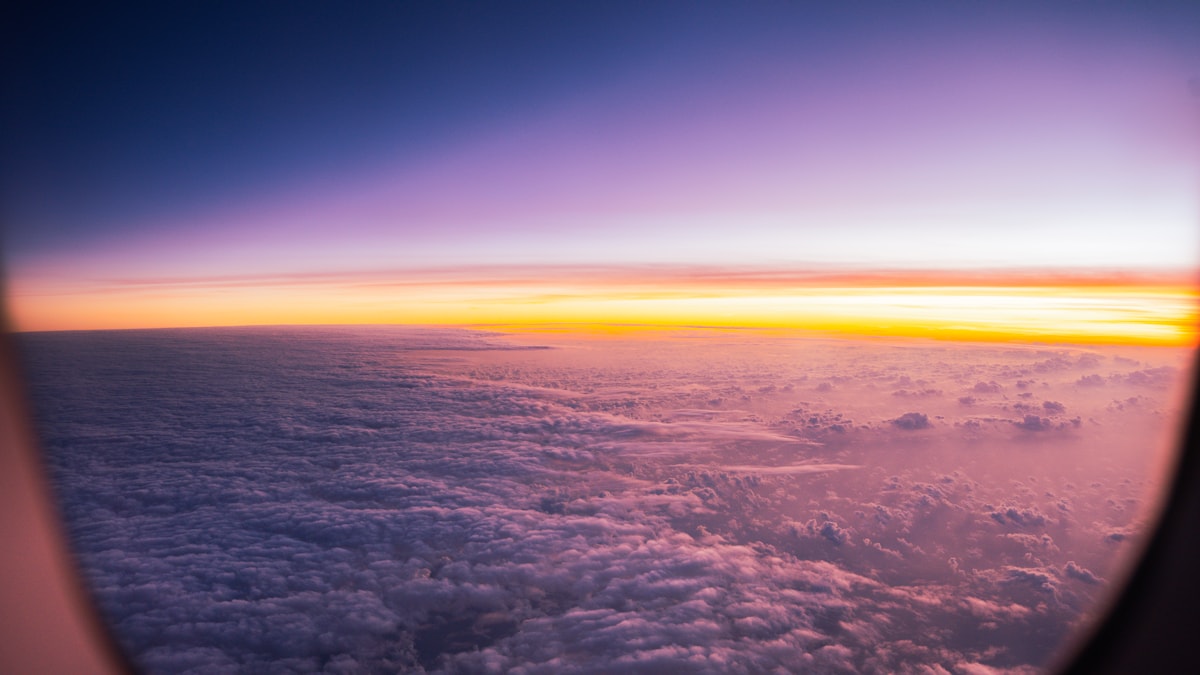
The seat belt sign should not be a “leave us alone” button
The seat belt sign is supposed to mean one thing: sit down and buckle up because the crew expects, or is responding to, a safety issue. Honestly, what’s happening instead is more concerning. If some flight attendants are asking pilots to switch it on mainly because the cabin is annoying, crowded, or inconvenient to work, that’s not a cute industry secret. It’s a trust problem.
That doesn’t mean you should ignore the sign. Don’t. On a US airline, crew instructions matter, and arguing over whether the ride “feels smooth” is a losing game. But passengers are also right to be irritated when a safety signal starts feeling like a customer-service mute button.
The current chatter is blunt: flight attendants have been openly discussing cases where the seat belt sign is used less as a turbulence warning and more as a way to keep people out of the aisles, away from cramped galleys, and off the call-button treadmill. The practice is hard to prove on any given flight because turbulence can be invisible, forecast-based, or ahead of the aircraft. Still, the bigger issue is obvious. Airlines have made cabins tighter, staffing leaner, service more scripted, and galleys more chaotic. Then passengers get blamed for moving around in the tiny amount of space left to them.
That’s backwards.
Safety signal or service shield?
There are perfectly valid reasons for the seat belt sign to be on when the air feels calm. Pilots may see reports from aircraft ahead. Air traffic control may route the plane through chop. Weather can build quickly. Clear-air turbulence is real and nasty. A smooth cabin one minute can become a drink-cart-launching mess the next.
So, no, the correct traveler response is not “I read an article, therefore I’m walking to the lavatory.” If the sign is on, stay seated unless you have a genuine need and the crew allows movement.
The problem is the gray area. On many flights, passengers can’t tell whether the sign is on because the cockpit has a safety concern or because the cabin crew is trying to get through trash pickup, meal service, rest breaks, galley setup, or a crowd of people hovering near the lavatories. That ambiguity is exactly why airlines should be careful with the sign. Once passengers suspect the warning is being used casually, compliance gets weaker. That’s bad for everyone, especially crews.
Airlines love simple commands: seat belt sign on, sit down. Fine. Then the signal has to stay credible.
Why this is happening now
This isn’t just about cranky flight attendants. The job has changed, and not in a passenger-friendly way.
Planes are flying full. Basic economy pushed more people into the back with less control over seats. Overhead bin stress starts before boarding is even over. Galleys are small. Lavatory lines form near workspaces because there’s nowhere else to stand. Passengers bring huge water bottles, medical devices, pets, strollers, emotional support expectations, and a deeply uneven understanding of airline etiquette.
At the same time, airlines have trained travelers to expect less but pay more. Want a seat assignment? Pay. Want a normal amount of legroom? Pay. Want food that resembles lunch? Often pay. Want Wi-Fi that works? Good luck, and maybe pay again.
So the cabin becomes a pressure cooker. Passengers feel nickel-and-dimed. Flight attendants feel boxed in. The seat belt sign becomes a convenient tool because it’s one of the few cabin-wide commands that still carries authority.
That may explain the behavior. It doesn’t excuse overusing a safety signal.
What you should actually do when the sign is on
Here’s the practical advice: treat the seat belt sign as real, even if you suspect it’s being used aggressively. You don’t have enough information from seat 27B to know what the cockpit knows.
Use the lavatory before boarding when you can. Yes, airport bathrooms are rarely charming. Use them anyway, especially before short flights, taxi delays, and routes known for weather. Once you’re onboard, your freedom of movement depends on the sign, service carts, crew judgment, and the bladder math of 180 strangers.
If you need to get up for a medical reason, be calm and direct. Don’t make it a debate about whether turbulence exists. A simple “I understand the sign is on, but I have an urgent medical need to use the lavatory” is better than “The air is smooth and I know you’re just doing this because you don’t want people up.” The second version may be emotionally satisfying. It’s also a great way to turn a manageable situation into a confrontation.
Use the call button sparingly, but don’t treat it as forbidden. If the sign has been on for a long time and you need water, medical help, or clarity, press it once. Don’t jab it like an elevator button. If the crew says they can’t get up, accept that in the moment.
And keep your seat belt fastened whenever you’re seated, sign or no sign. This is the easiest safety win in travel. Loose enough to be comfortable, tight enough to matter.
A worked example: the transcon trap
Say you’re flying New York to Los Angeles, about six hours gate to gate. You board with a coffee, fill your water bottle, and settle into an aisle seat. The seat belt sign turns off after takeoff, then comes back on 35 minutes later. The air feels fine.
Meal service starts. The cart blocks the aisle. The sign stays on. Ninety minutes pass. You’re now two coffees and half a liter of water into the flight, and the lavatory line is forming in your head.
Bad move: standing up, pointing at the calm cabin, and telling the crew the sign is fake. Even if you’re right, you’ve picked the worst possible battlefield.
Better move: wait for the cart to clear, press the call button once, and say, “I’m sorry, I really need the lavatory. Is it safe to go now, or should I wait?” That gives the crew room to say yes, no, or “give us five minutes.” If they say no and it becomes urgent, use plain language: “I can’t wait much longer.”
Best move for next time: plan around the likely bottlenecks. Use the bathroom near the gate before boarding. Go early in the flight when the sign is off, even if you don’t urgently need to. Avoid chugging drinks during boarding on routes with winter weather, mountain waves, or summer storms. If you’re traveling with a kid, build in a bathroom attempt before the aircraft door closes.
This is not glamorous advice. It works.
Where airlines deserve blame
Passengers get lectured constantly about personal responsibility. Some of that is fair. Aisle yoga during turbulence is dumb. Congregating in the galley like it’s a cocktail bar is rude. Ignoring crew instructions can become a safety issue fast.
But airlines have spent years making the onboard experience more brittle. They densified cabins, shrank pitch, monetized decent seats, and cut the margin for normal human behavior. Then they act shocked when people need to stretch, use the bathroom, ask for water, or stand somewhere that doesn’t exist.
If a galley is too cramped for crew to work safely when passengers are nearby, that’s a design and staffing problem. If lavatory queues interfere with service, that’s a cabin layout problem. If flight attendants feel they need the seat belt sign to get a few minutes of peace, that’s a management problem.
Airline executives should not get to hide behind crew authority while selling a product that creates the conflict.
What airlines should change
The fix doesn’t require a congressional hearing or a 40-page passenger bill of rights. Airlines could start with clearer communication.
If the sign is on because of forecast turbulence, say that. If the cockpit expects intermittent bumps for the next 20 minutes, say that. If the crew needs the aisle clear for a safety-sensitive service period, don’t dress it up as turbulence unless turbulence is actually part of the reason.
A better announcement might be: “The captain has turned on the seat belt sign due to expected bumps ahead. Please remain seated with your belt fastened.” Clear. Safety-based. Credible.
If the issue is congestion, try: “We need the aisles clear while carts are out. If you’re waiting for the lavatory, please remain seated until the aisle is open.” That’s not the same as the seat belt sign, and it shouldn’t be treated as the same.
Airlines could also use lighting and messaging better. Modern cabins already have screens, app notifications, and PA systems. There’s no reason every onboard instruction has to be squeezed into one glowing icon.
The credit card angle: buy control where you can
No credit card can make the crew turn off the seat belt sign. But the right travel setup can reduce how often you’re trapped in the worst version of the experience.
If you have points, miles, or flexible bank rewards, consider using them to avoid the tightest seats on longer flights. That doesn’t always mean business class. Sometimes it means an exit row, extra-legroom economy, or choosing a schedule with a widebody aircraft. More space won’t solve a locked lavatory line, but it makes long stretches seated less miserable.
Cards that earn transferable points can help here because you’re not boxed into one airline’s pricing. If cash fares are high but award space exists, moving points to an airline partner may put a better cabin within reach. Just verify current transfer ratios, award rules, and fees before moving points, because transfers are usually one-way.
Trip delay coverage can also matter if a weather mess keeps you onboard, misconnects you, or strands you overnight. Coverage varies by issuer and card, and it usually kicks in only after a set delay and when you paid with the eligible card. Read the benefits guide. Don’t assume your shiny metal card covers every inconvenience.
The bigger play is this: use rewards to buy down friction. Pick better flight times. Avoid tight connections. Choose seats deliberately. Pay with a card that protects you when the day goes sideways. You can’t control airline culture, but you can control some exposure to it.
Don’t turn this into crew-bashing
There’s a lazy version of this story where flight attendants are villains who don’t want to work. That’s not right. Crews deal with medical events, drunk passengers, turbulence injuries, unpaid boarding time on some airlines, and the emotional residue of everyone’s travel day. They also have real safety duties that passengers often underestimate.
But respect cuts both ways. Passengers are not cargo with credit cards. If an airline sells a six-hour flight, it has to provide a reasonable way for people to use the bathroom, get basic help, and understand what’s happening. Safety instructions should be respected because they’re safety instructions, not because they’re a convenient way to pause the cabin.
The seat belt sign works only if passengers believe it means something. Airlines should protect that trust like it matters, because it does.
Bottom line
Keep reading
- Book Award Flights
How to Book Business Class Flights with Points
Business class flights cost $3,000-15,000 in cash but can be booked for 50,000-100,000 points. Here's how.
- Book Award Flights
Fly to India in Qsuites: Citi's 30% Qatar Avios bonus
A limited-time 30% transfer bonus from Citi to Qatar Airways makes the world's best business class to India cheaper than ever — here's how to book it.
- Book Award Flights
How to fly to India on points: the transfer partners that actually work
The best programs for booking US–India award flights in economy and business, and the sweet spots worth knowing.
Join the discussion
Share your take, ask a question, or swap tips with other readers. Be kind — we moderate.