Tipping in Airport Lounges: What You Need to Know
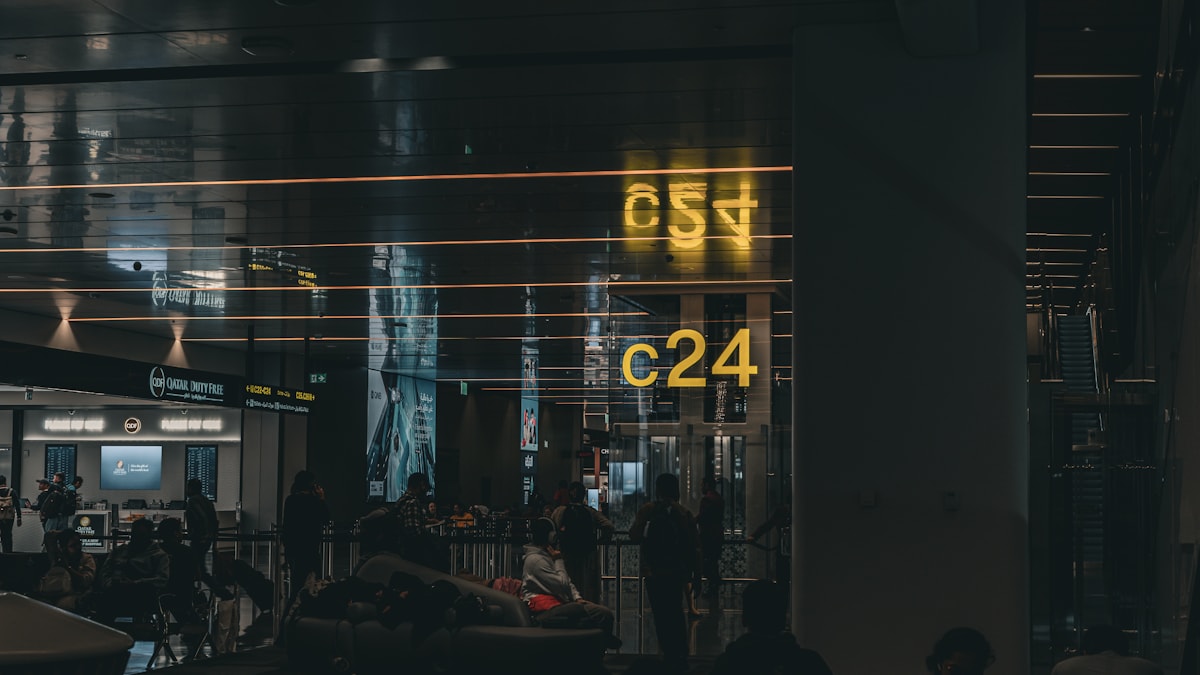
Here is the short, honest answer most articles dance around: in a typical US airport lounge, tipping is not expected, and you are not a villain for walking out without leaving anything. You already paid — through a premium card’s annual fee, a membership, or a paid day pass — and the staff are salaried, not living on tips the way restaurant servers are. That said, there are specific situations where a tip is genuinely appropriate and appreciated, and knowing which is which keeps you from either over-tipping out of guilt or stiffing someone who actually earned it. Let me lay out the real etiquette, lounge type by lounge type.
The core principle: are they serving you, or are you serving yourself?
Almost every tipping question in a lounge comes down to this one distinction. If the lounge is self-service — you grab your own plate, pour your own drink, bus your own table — there is no tipping expectation, full stop. If someone is providing direct table service — taking your order, bringing plated food, mixing and delivering cocktails to your seat — then you have crossed into territory where tipping behaves more like a restaurant or bar, and a gratuity is a reasonable, kind gesture even if it is not strictly required.
Hold that test in your head and most of the awkwardness disappears.
Self-service buffet lounges: the default no
The vast majority of lounges — most Priority Pass lounges, airline clubs like United Club, Delta Sky Club, and American Admirals Club, and bank lounges — run as self-service buffets. You help yourself to food and drinks, including the bar in many cases.
In these, you do not need to tip. Staff are restocking, cleaning, and keeping the place running, and they are paid to do exactly that. There are no tip jars at the buffet, and leaving one is not customary.
The one soft exception: if a staff member does something genuinely above and beyond — personally helps an elderly or disabled traveler, hunts down a specific item for you, or goes out of their way to solve a problem — handing them a few dollars is a nice human thing to do. It is a thank-you, not an obligation. A dollar or two, or five for something notably helpful, is plenty.
Table-service and bartender situations: a tip is appropriate
Some lounges and lounge zones offer real table service, and the calculus changes.
À la carte dining rooms
Premium spaces like American’s Flagship First Dining, certain international first-class lounges, and some high-end clubs have sit-down dining where a server takes your order and brings plated courses. Even though the food is complimentary, this is restaurant-style service. Leaving something is a kind move. Because there is no bill to base a percentage on, think in flat terms: a few dollars per person, or roughly $5 to $10 for a full multi-course meal with attentive service, is a fair and generous range. Some of these venues add an automatic service charge — check before you double up.
Bartenders
If a bartender is actively making and serving you cocktails, bar-tipping norms reasonably apply. A dollar or two per drink, or a few dollars if you are settling in for a couple of rounds, is a friendly gesture that bartenders genuinely appreciate. Cash is easiest, since complimentary drinks often have no check to add a tip to.
Attended coat checks, shoe shines, spa services
Lounges with extras follow the same rules as those services anywhere. A spa treatment in a lounge (massage, facial — think the marquee international lounges) warrants a normal spa tip if it is not already included; figure something in the 15% to 20% neighborhood of what the service would cost, or a flat $10 to $20 for a complimentary treatment. A shoe shine or attended coat check gets a couple of dollars. These are personal services performed for you, so they sit on the tipping side of the line.
The Amex Centurion / Priority Pass / airline club question
People often ask whether the type of access changes the tipping math. It mostly does not — what matters is the service style, not how you got in. A few notes by category:
- Amex Centurion Lounges are largely self-service buffets with a staffed bar. No tipping needed at the buffet; a small tip for an attentive bartender is fine if you want.
- Priority Pass lounges vary enormously around the world, from bare-bones self-service rooms to lounges with table service or even Priority Pass restaurant credits. At a Priority Pass restaurant (where you order off a menu and a server brings it), you absolutely should tip on the portion of service as you would at any restaurant — and note the credit usually covers food/drink, not the tip, so the gratuity comes out of your pocket.
- Airline flagship/first-class lounges (Lufthansa First Class Terminal, Emirates, Qantas First, etc.) often include table service; tip the server modestly or the bartender per drink, same as above.
International differences matter — a lot
US tipping habits do not travel well. Tipping culture is heavily American, and in much of the world a lounge tip ranges from unnecessary to mildly confusing.
- In much of Europe, service is often included and tipping is light or rounded; a small token for excellent table service is fine but nothing like US percentages.
- In Japan and parts of East Asia, tipping is generally not practiced and can even cause discomfort — staff may try to return the money. Skip it.
- In the Middle East and some other regions, modest tipping for attentive personal service is more common.
My practical rule: when abroad, default to not tipping in a self-service lounge, and for table service, tip lightly only if you are sure it fits local norms. A quick search for “tipping etiquette in [country]” before you fly takes thirty seconds and saves you from an awkward moment.
How much, summed up
- Self-service buffet lounge: nothing required; a few dollars only for exceptional personal help.
- Table-service meal: roughly $5 to $10 for a full meal, or a few dollars per person, unless a service charge is already added.
- Bartender (made-to-order drinks): $1 to $2 per drink or a few dollars for the session.
- Spa/personal services: normal service tipping, around 15% to 20% or a flat $10 to $20 for a complimentary treatment.
- International: lighter or none, depending on local custom.
And carry a few small bills. The single most common reason people skip a deserved lounge tip is simply not having cash, since complimentary service rarely comes with a check to add a gratuity to.
Frequently asked questions
Am I expected to tip in an airport lounge?
No, not in a standard self-service lounge. You have already paid via membership, a card’s annual fee, or a day pass, and staff are salaried. Tipping is expected only when you receive direct table service (a server bringing plated food, or a bartender making your drinks).
How much should I tip for table service in a lounge?
Since there is usually no bill, tip in flat amounts: around $5 to $10 for a full sit-down meal with good service, or a few dollars per person. Check first for an automatic service charge so you do not tip twice.
Should I tip the bartender if drinks are free?
It is a kind gesture, not a requirement. If a bartender is actively mixing and serving you, $1 to $2 per drink, or a few dollars for a couple of rounds, is appreciated. Cash is easiest.
Do tipping rules change in international lounges?
Yes. Tipping is much more of a US norm. In Japan and parts of Asia, skip it; in much of Europe, keep it light or none; in some regions modest tips for personal service are welcome. Check local custom before you fly.
Bottom line
Tipping in airport lounges is about service style, not guilt. Self-service buffet? No tip needed. Someone bringing you food, mixing your drinks, or performing a personal service? A modest tip is a decent, appreciated thing to do — and carrying a few singles is the only prep you need. Tip when it is earned, skip it when it is not, and do not let the internet’s loudest debaters make you feel bad either way.
Keep reading
- Airport Lounges
Airport Lounges Have Fancy Coffee Bars Now — Whole Milk Is Still an Afterthought
Centurion and Alaska lounges now run real espresso bars with trained baristas. Yet whole milk? Still weirdly hard to find.
- Airport Lounges
Lufthansa First Class Terminal Frankfurt: Is It the World's Best?
An honest look at the Lufthansa First Class Terminal in Frankfurt — what makes it exceptional, what's overhyped, and whether it's worth chasing.
- Airport Lounges
Chase Sapphire Lounge Coming to Miami Airport’s Concourse E
MIA is expected to get a 14,000-square-foot Chase Sapphire Lounge in Concourse E. Great news — just don’t expect it soon.
Join the discussion
Share your take, ask a question, or swap tips with other readers. Be kind — we moderate.