Common Credit Card Mistakes (and How to Avoid Them)
Credit cards, used well, are genuinely powerful financial tools. But the same features that make them valuable also create traps for the inattentive. Honestly, most of these mistakes are easy to avoid once you know they exist — but they show up repeatedly even among people who are otherwise thoughtful about their finances.
The good news is that most are preventable with a small amount of setup and awareness.
Mistake 1: Carrying a Balance on a Rewards Card
This is the most common and most costly error. Rewards credit cards typically carry higher interest rates than non-rewards cards. Any interest paid on a carried balance will almost certainly exceed the value of the points earned on that spending.
A traveler who earns a welcome bonus worth a few hundred dollars in travel, then carries a balance for a few months and pays interest, has likely erased that value and more. Points and miles are only genuinely valuable if you pay your statement balance in full every month.
If you currently carry a balance, a card like the Citi Double Cash — which offers cash back but is not a premium travel card — may be a better fit until the balance is paid down, since its rates are generally more competitive. Or consider a balance transfer card designed specifically for that purpose.
Mistake 2: Missing the Welcome Bonus Minimum Spend
Most welcome bonuses require meeting a spending threshold within a specific window, often 90 days. Missing that threshold by even a dollar means forfeiting the bonus entirely — there is no partial credit.
Beginners sometimes apply for a card, get distracted, and forget to track their spending against the requirement. The fix is simple: note the deadline in your calendar when the card arrives, and keep a rough running total of what you have spent on the card through the first three months.
Do not wait until the final days to check your progress.
Mistake 3: Applying for Too Many Cards at Once
Each credit card application triggers a hard inquiry on your credit report, which temporarily lowers your score. Applying for several cards in a short window can cause a noticeable dip and may also trigger fraud alerts or automatic denials from issuers who see multiple recent applications.
The general practice in the points community is to space applications thoughtfully — often waiting several months between applications — and to prioritize cards with the strongest current offers rather than applying opportunistically for every card that looks interesting.
Mistake 4: Ignoring Category Bonuses
Most travel cards earn at different rates depending on where you spend. A card that earns extra points on dining will not earn that rate automatically — you have to use it at dining establishments. Using a flat-rate card for every purchase when you hold a card with higher category bonuses means leaving points on the table.
The American Express Gold Card is a useful example: it earns at strong bonus rates on U.S. supermarkets and dining. A cardholder who puts all their grocery spending on a different card is not getting the full value from the Gold.
A simple fix: know which card earns best in each category you spend heavily in, and use it accordingly.
Mistake 5: Redeeming Points for Low-Value Options
Points are often redeemable for a variety of things: travel, merchandise, gift cards, cash back, and more. The redemption rates are not equal. Gift cards and merchandise typically deliver the lowest value per point. Cash back redemptions often deliver less than travel redemptions.
Redeeming 50,000 points for a $200 gift card when those same points could fund a $500 flight through a transfer partner is a real money-leaving-on-the-table scenario. Before redeeming, check whether the travel redemption path delivers meaningfully more value.
Mistake 6: Forgetting About Foreign Transaction Fees
Using a card with a foreign transaction fee — typically around 3% — on international purchases adds an invisible cost to every transaction. On a two-week trip with several thousand dollars in spending, this can amount to real money.
The fix is equally simple: when traveling internationally, use a card that explicitly waives foreign transaction fees. Most dedicated travel cards do. If you are unsure whether your card charges this fee, check the card’s terms or call the issuer before your trip.
Mistake 7: Letting Points Expire
Many loyalty programs expire points or miles after a period of account inactivity — often 12 to 24 months without any earning or redemption activity. This is a legitimate risk for people who earn points with a card they rarely use or who have points sitting in an airline program they have not flown with recently.
Most programs reset the expiration clock with any qualifying activity — a small purchase, a transfer, a redemption. The habit of checking your balances periodically (a quarterly calendar reminder works well) catches expiring balances before they are lost.
Mistake 8: Closing Old Cards Without Moving Points
If you decide to cancel a credit card that has a transferable points balance — or a co-branded card with loyalty points — verify what happens to those points first. In some programs, points tied to a card are forfeited when the card is closed. In others, they remain in your loyalty account regardless.
Chase Ultimate Rewards points, for example, can be moved to another Chase card before closing. Failing to do this before canceling results in permanent loss of the balance.
Mistake 9: Chasing Status at the Wrong Time
Airline and hotel status programs can be valuable for frequent travelers, but chasing status as a new collector often means optimizing for the wrong thing. Status requires concentrating spending and flying with one program, which typically means earning fewer points overall and missing stronger welcome bonuses on other cards.
Unless you fly a specific airline frequently for work and would benefit substantially from status perks, building a diversified points balance through transferable currencies tends to deliver more value for most leisure travelers.
Mistake 10: Not Reading the Card’s Benefits
Most travel cards come with a suite of benefits beyond points: travel insurance, rental car coverage, purchase protection, extended warranty, and more. These benefits are often worth more than people realize — and they require no additional cost, just knowing they exist.
A traveler who books a car rental with the Capital One Venture X and declines the rental company’s collision coverage may already have comparable protection through the card’s auto rental benefit. Not knowing this means either paying for redundant coverage or forgoing protection you already have.
Read the benefits guide that comes with any new card. Ten minutes of reading can save real money on a single trip.
Bottom Line
Most credit card mistakes share a common trait: they stem from inattention or not knowing what the card actually does. The fixes are rarely complicated — they involve setting up calendar reminders, understanding which card earns best where, and reading the terms once. Get the basics right and the mistakes largely take care of themselves.
Keep reading
- Lessons Learned
10 Lessons Every New Points Collector Learns
The hard-won insights most beginners pick up in their first year of collecting points — here they are upfront so you can skip the mistakes.
- Credit for Immigrants
Taptap Send Review: Best USD to INR Rate Compared
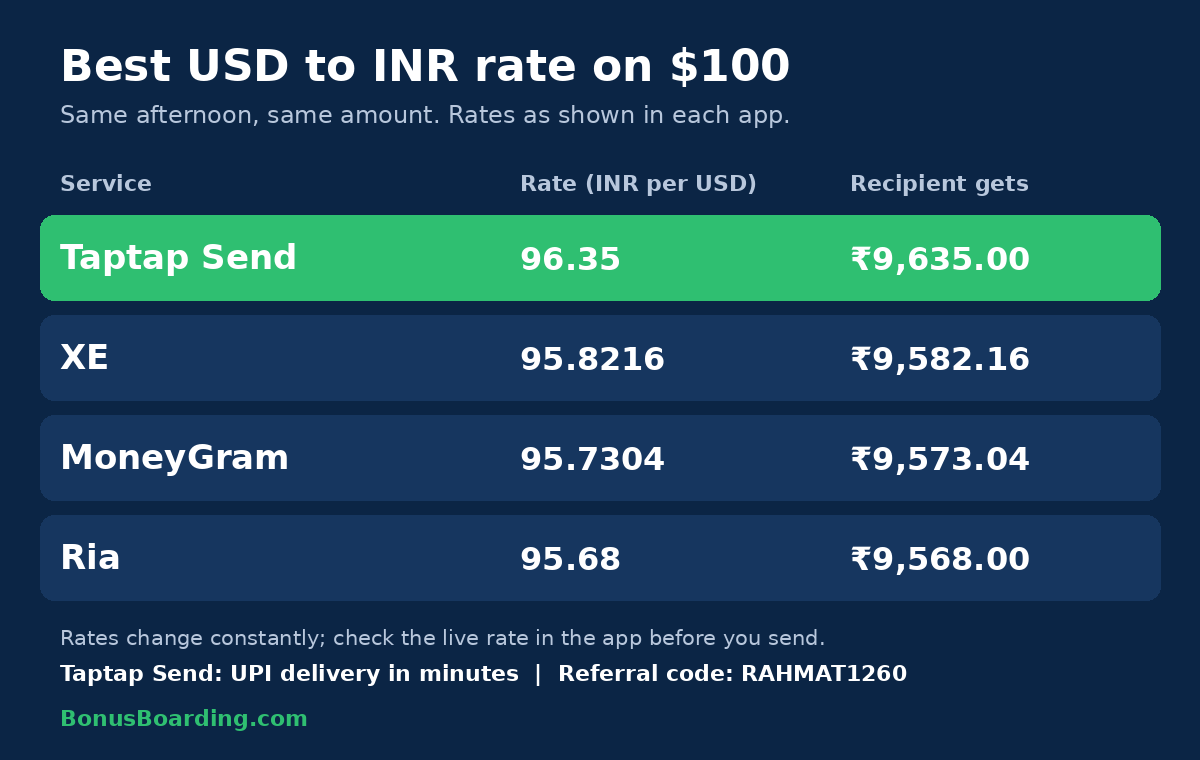
What Taptap Send is, how US-to-India transfers work, and how its USD to INR rate compared with XE, MoneyGram and Ria on the same afternoon.
- Build Credit
How to Build US Credit From Zero: Secured Cards, Loans, and Quick Wins
No SSN? Thin file? Here's the honest, step-by-step roadmap to building US credit fast — with real numbers and card picks for newcomers.


Join the discussion
Share your take, ask a question, or swap tips with other readers. Be kind — we moderate.